










Showcase your capabilities
If you design, build or supply Counter-UAS, create a profile to showcase your capabilities and connect with visitors who have an active requirement for your solutions.





Counter-UAS (C-UAS) technology is the critical, multi-layered solution set designed to address the threat posed by unauthorized or hostile drones.
Integrated C-UAS systems combine sophisticated technologies including radar, RF detection, and advanced cyber and kinetic effectors, to achieve reliable detection, classification, and neutralization of airborne threats. This guide details leading suppliers of advanced C-UAS solutions for defense and homeland security.
Read the Technology Overview
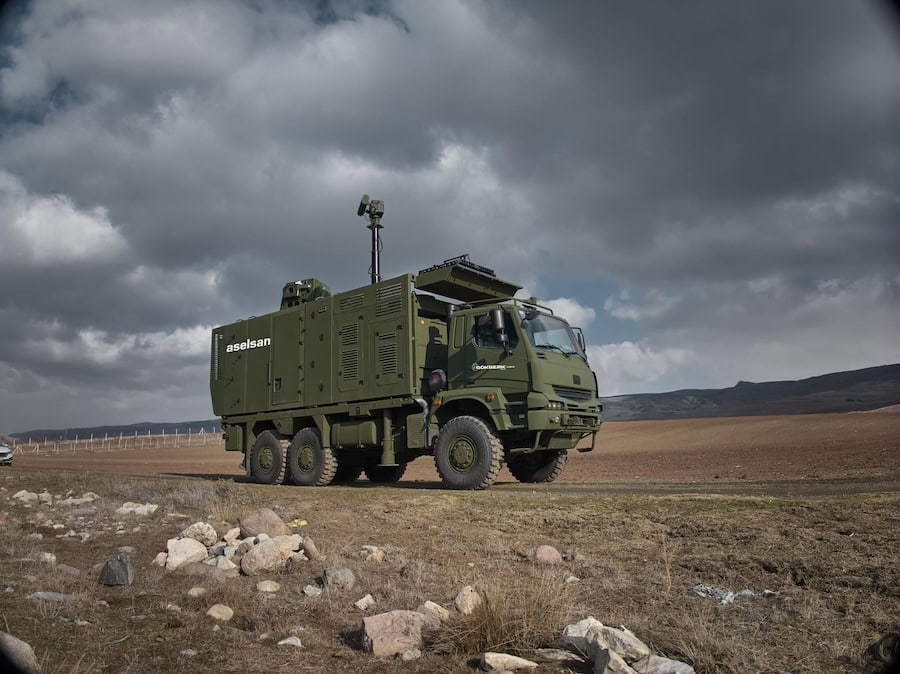
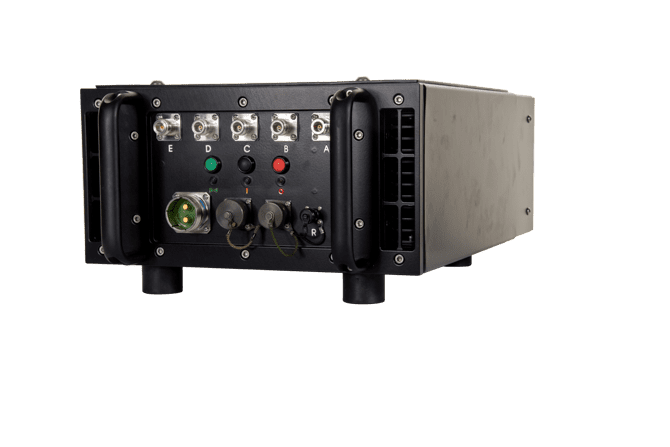
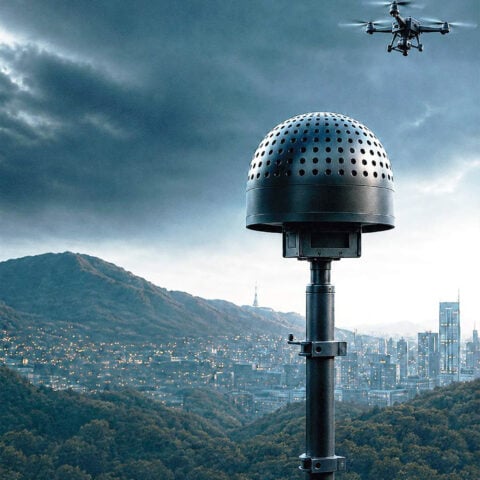
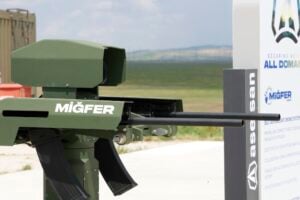
Advanced Mission Systems for Defense Forces Across the Land, Air, Naval & Space Domains

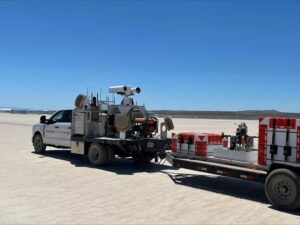
Advanced Solutions for Defense Modernization: Propulsion, Sensors, Communication & Augmented Reality Systems


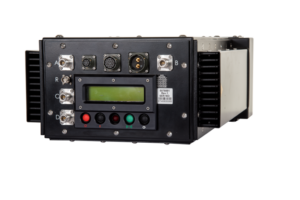
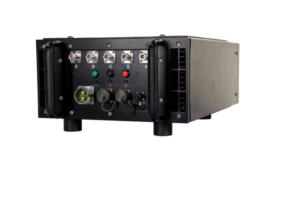
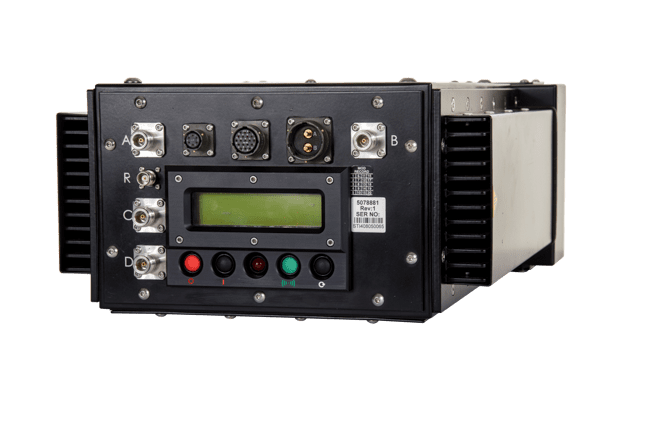
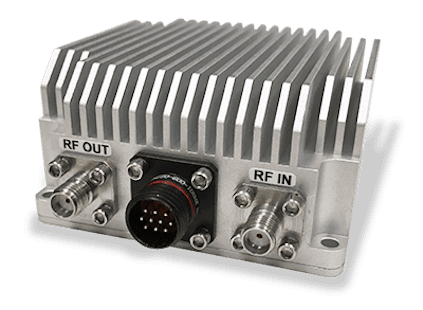
Integrated Radio MIMO Systems, RF Power Amplifiers for C-UAS, Electronic Warfare & ISR Data Links

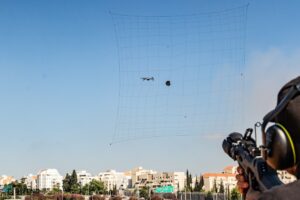
Revolutionary New Net-Based Counter-UAS Systems for Military Force Protection

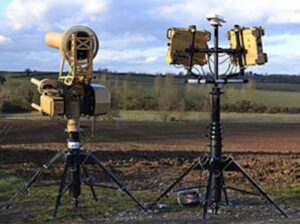
Manufacturer & Systems Integrator of Deployable Systems for Military, Government & Security Applications

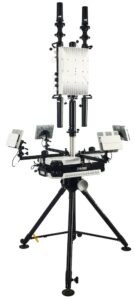
RF-Cyber Counter-Drone Technologies for Military, Special Forces & Government Applications

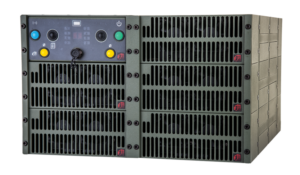
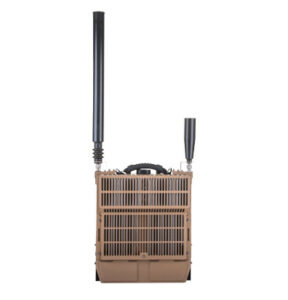
Electronic Countermeasures (ECM) & RF Jamming Technology for Protection from RCIED and Drone Threats

Radar Reinvented: Radars for Counter-UAS, Base & Asset Security, and Portable ISR

If you design, build or supply Counter-UAS, create a profile to showcase your capabilities and connect with visitors who have an active requirement for your solutions.

Counter-Uncrewed Aircraft Systems (C-UAS) is the comprehensive term for the layered technologies and systems used to detect, identify, track, and ultimately mitigate unauthorized or hostile drones.
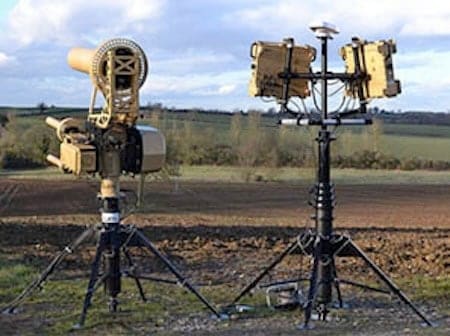
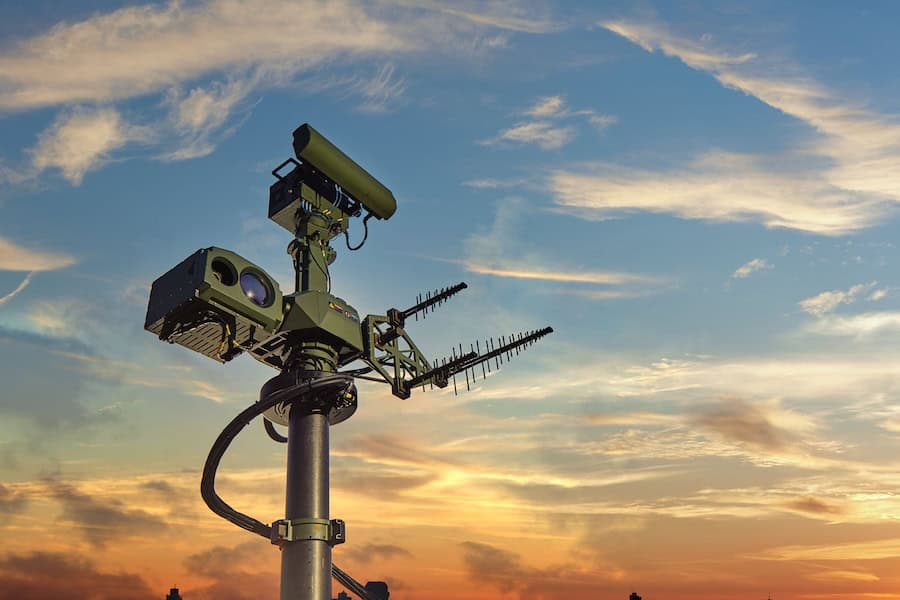
Border Watch Radar & EO/IR-based counter-UAS solution, by Cannon Technologies
In defense and security environments, C-UAS capabilities form a critical protective layer shielding national assets from everything from readily available commercial quadcopters to advanced, weaponized loitering munitions.
Though C-UAS technologies were first conceived for battlefield air defense, their deployment has exploded across military, government, and civilian domains – from forward operating bases and naval vessels to airports and critical infrastructure sites. Counter UAS systems are an integrated airspace management strategy designed to ensure operational continuity in environments where airspace sovereignty can no longer be assumed.
The proliferation of small, low-cost drones has fundamentally rewritten the air threat playbook. Systems once limited to hobbyist use can now carry payloads capable of surveillance or attack. Defense forces face not only deliberate threats such as armed drones, but also inadvertent incursions.
Modern Counter-UAS systems must deliver precise situational awareness and proportional response. In military contexts, they protect bases, vehicles and ships from reconnaissance or strike drones. This is the core of military drone countermeasures. In homeland security and civilian environments, they CUAS solutions safeguard low-altitude airspace around critical infrastructure and sensitive sites, forming the core of domestic CUAS protection.
Counter-UAS technology underpins the ability to maintain information superiority and physical security in an era where small aerial systems are ubiquitous. This evolving ecosystem of sensors, effectors, and control logic ensures that any aerial platform entering a protected area is known, identified and, if necessary, neutralized.
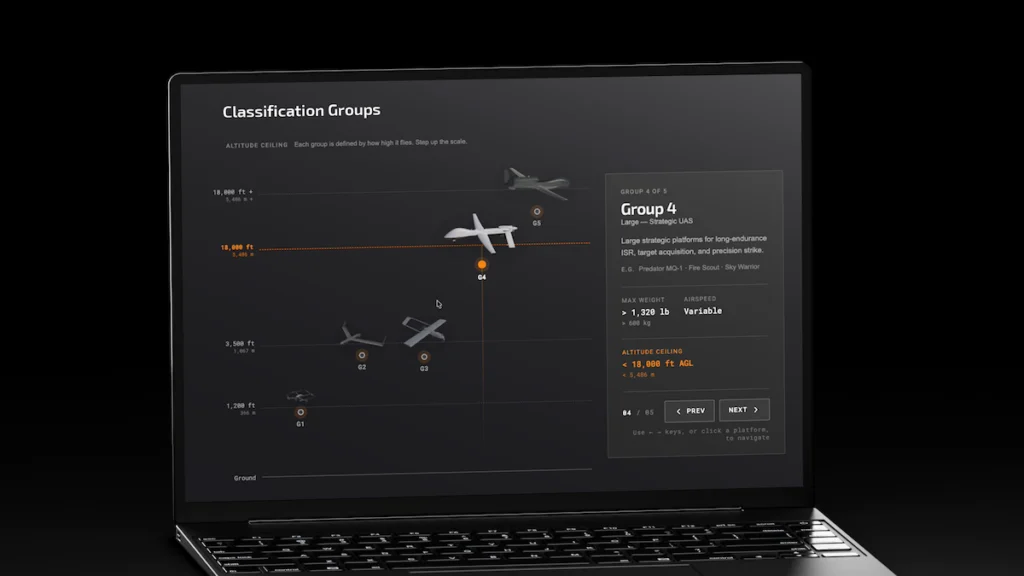
The rapid evolution of uncrewed aircraft systems (UAS) has created a diverse and often complex threat landscape. Threats range from small consumer drones modified for surveillance, up through Group 1–3 tactical systems. At the most challenging end of the spectrum, loitering munitions and autonomous swarm drones pose unique problems. The sheer accessibility of this technology means that both state and non-state actors can field powerful capabilities.
In defense environments, Counter-UAS technology acts as a guardian for personnel, infrastructure, and platforms across every domain.
These military uses demand ruggedized, rapidly deployable systems that can function reliably in contested electromagnetic environments.
Beyond defense, the same technologies are adapted to safeguard civilian and commercial sites:
These domestic CUAS protection applications emphasize non-destructive mitigation, compliance, and integration with existing security infrastructure.
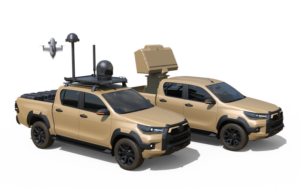
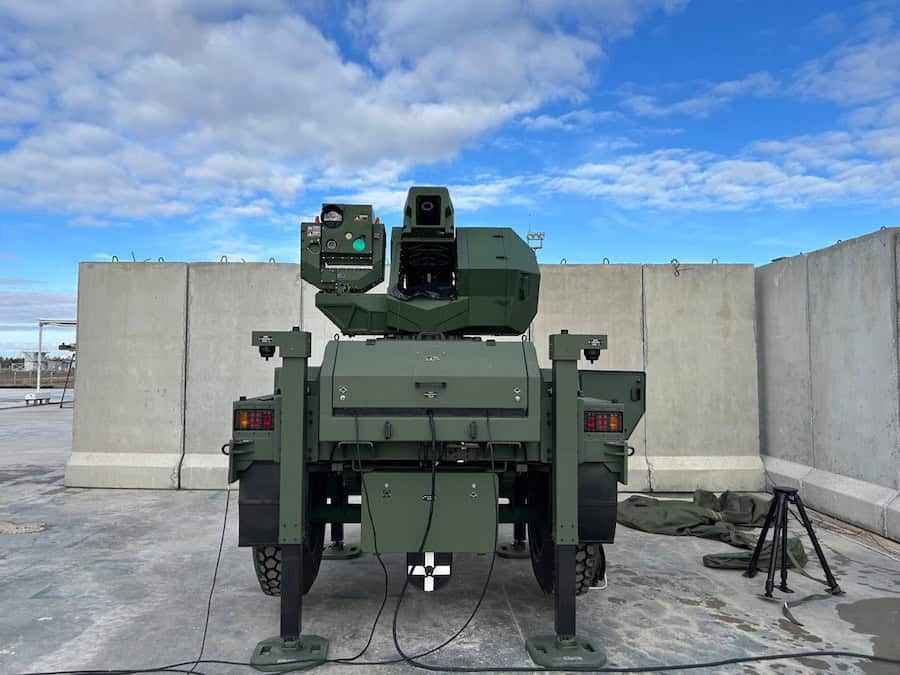
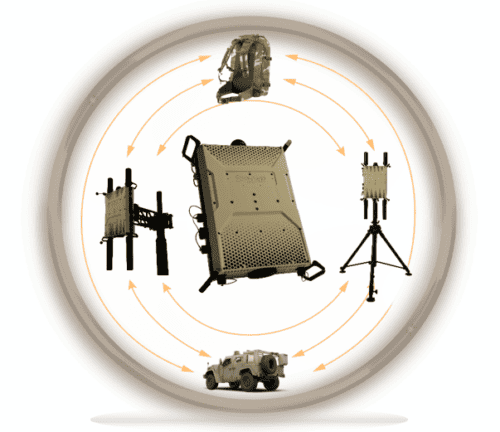
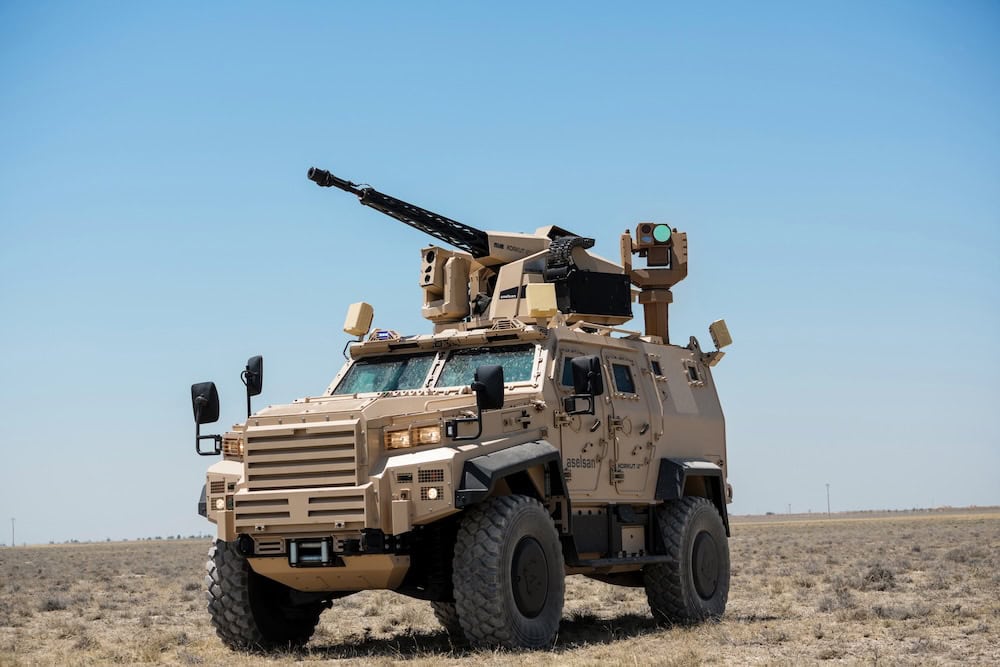
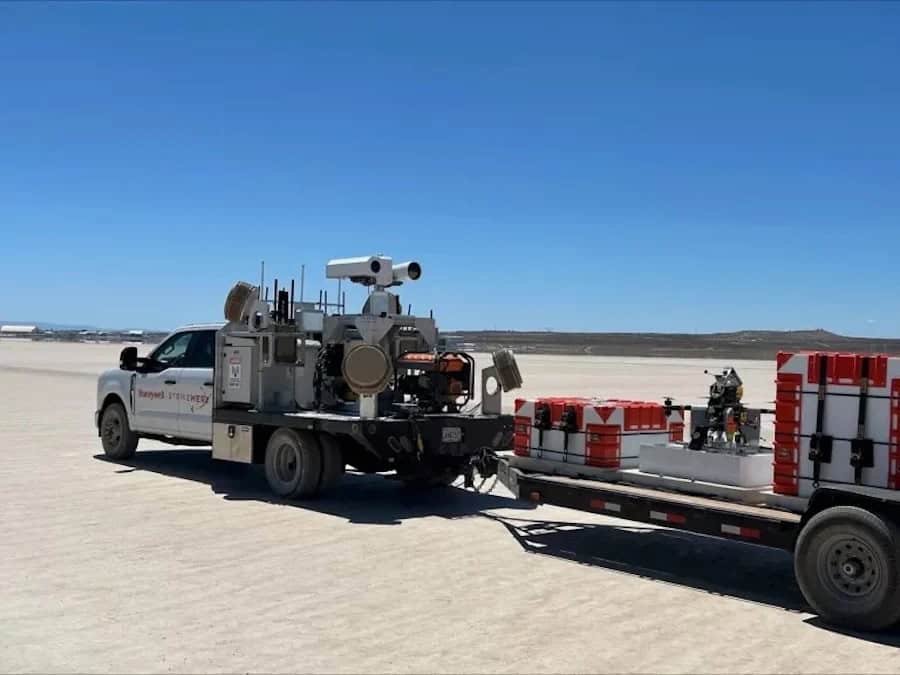
C-UAS deployments come in three main physical configurations: Fixed Installations, Mobile Systems (mounted on vehicles to provide 360-degree situational awareness on-the-move), and Man-Portable Systems (low SWaP for dismounted teams).
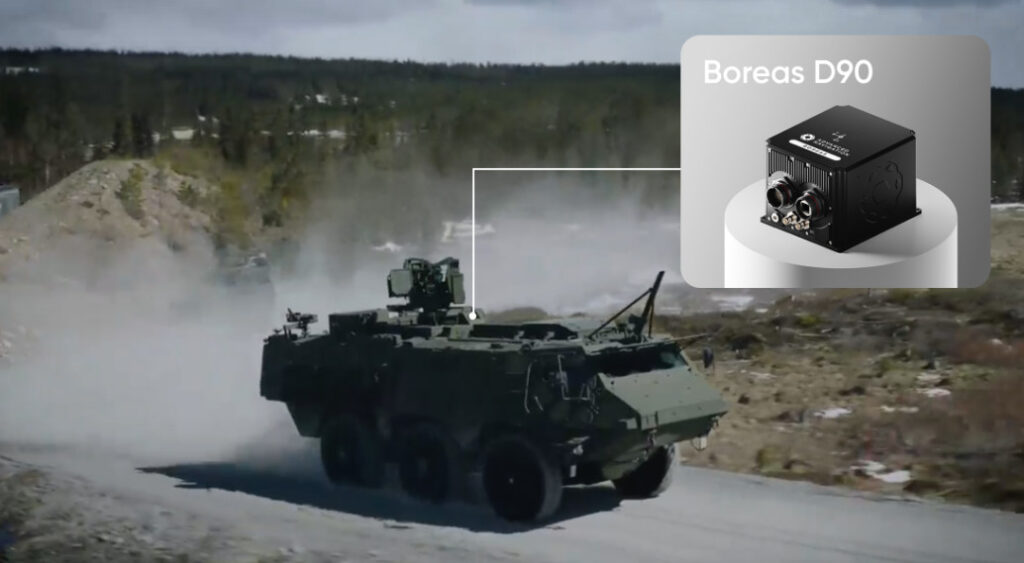
Mounting C-UAS hardware on vehicles, ships, or aircraft introduces platform-specific constraints, including managing mounting shock and EMI – essential wherever radios, radar, or directed-energy sources are co-located.
The latest generation of C-UAS systems addresses urban hurdles by combining multiple sensing modalities and AI-assisted target classification, ensuring reliable performance when threat signatures are small.
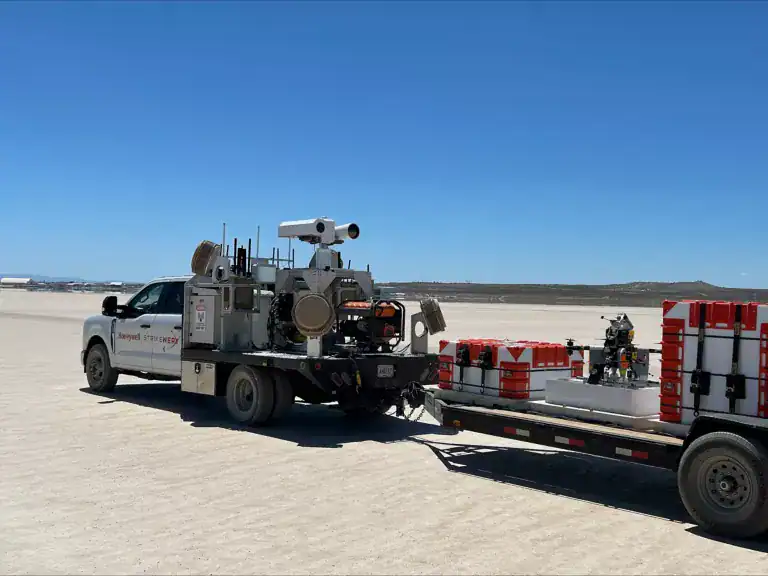
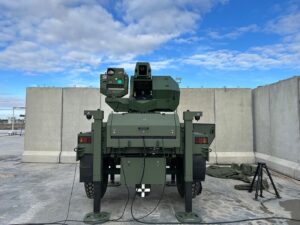
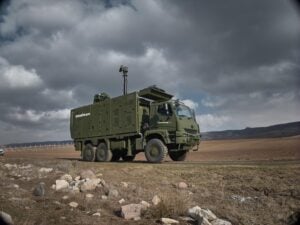
Honeywell Vehicle-mounted Mobile C-UAS Solution
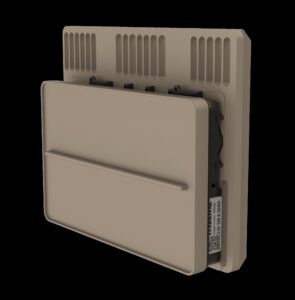
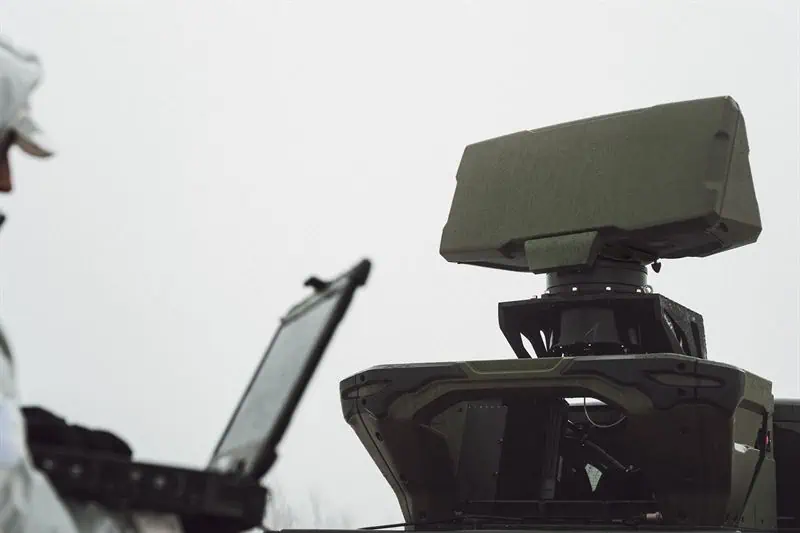
Echodyne EchoGuard C-UAS Radar
Radar detection remains the enduring backbone of drone detection. Specialized counter-UAS radars such as Echodyne’s EchoShield and EchoGuard systems operate with high refresh rates to pick up low-altitude, low-signature targets.
Crucially, modern C-UAS radar must incorporate sophisticated Bird Discrimination capabilities to differentiate between true threats and natural air traffic.
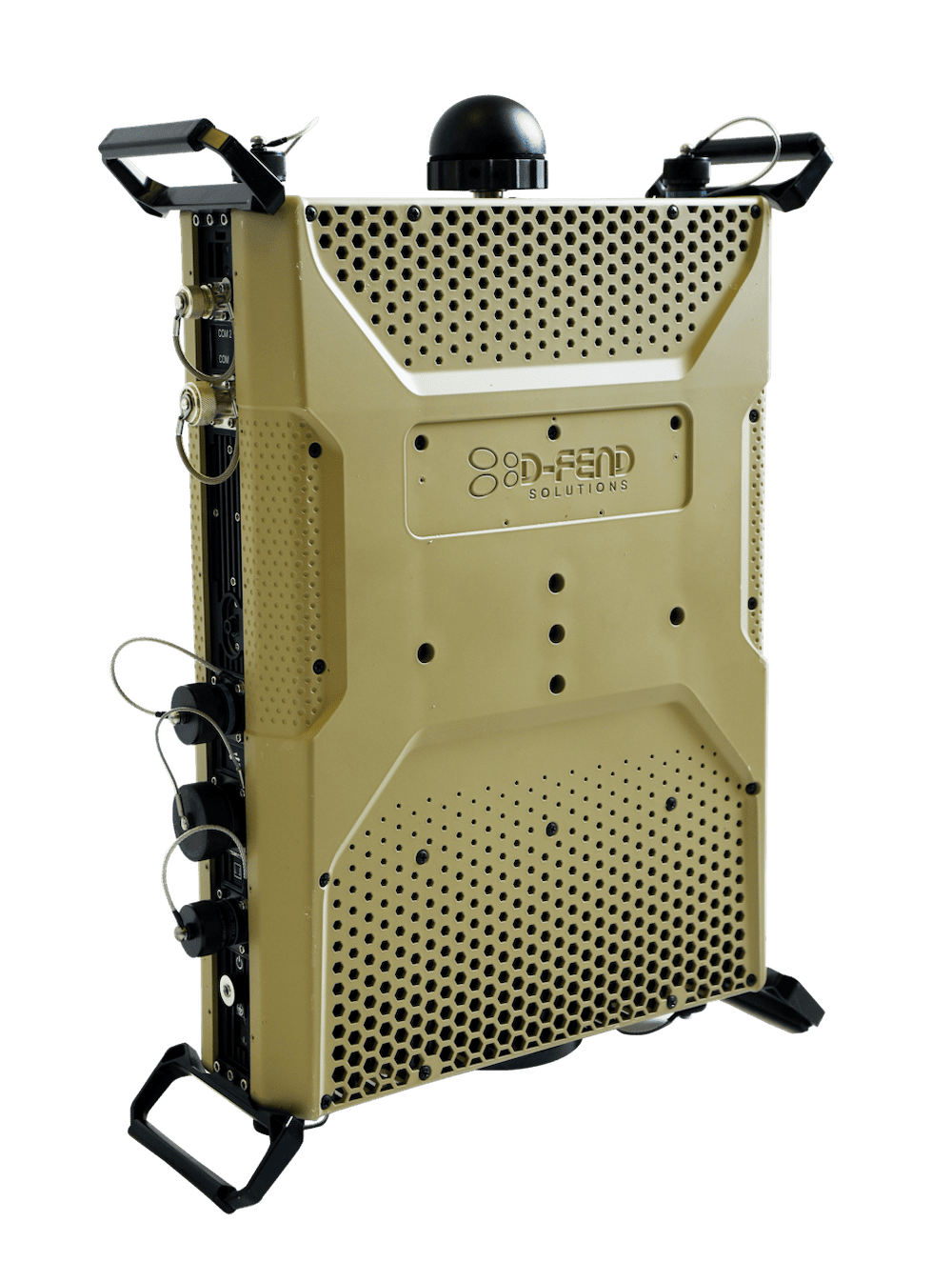
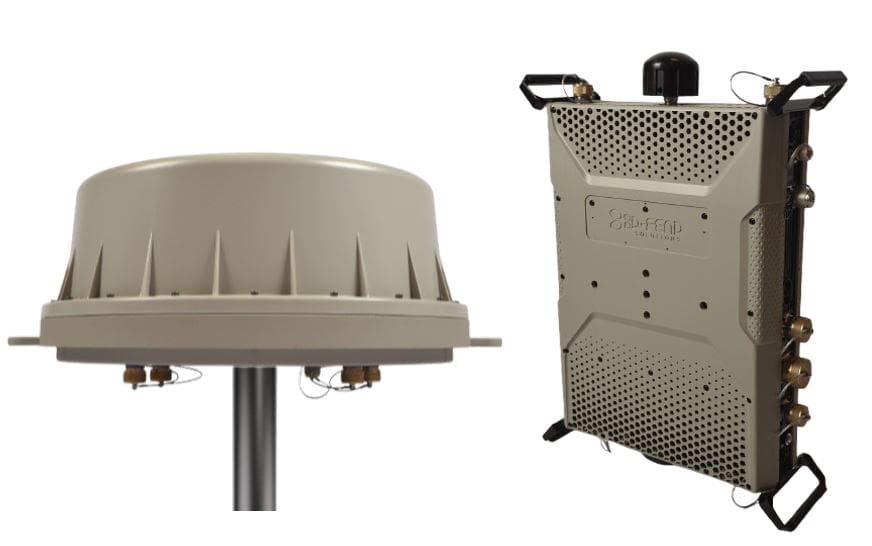
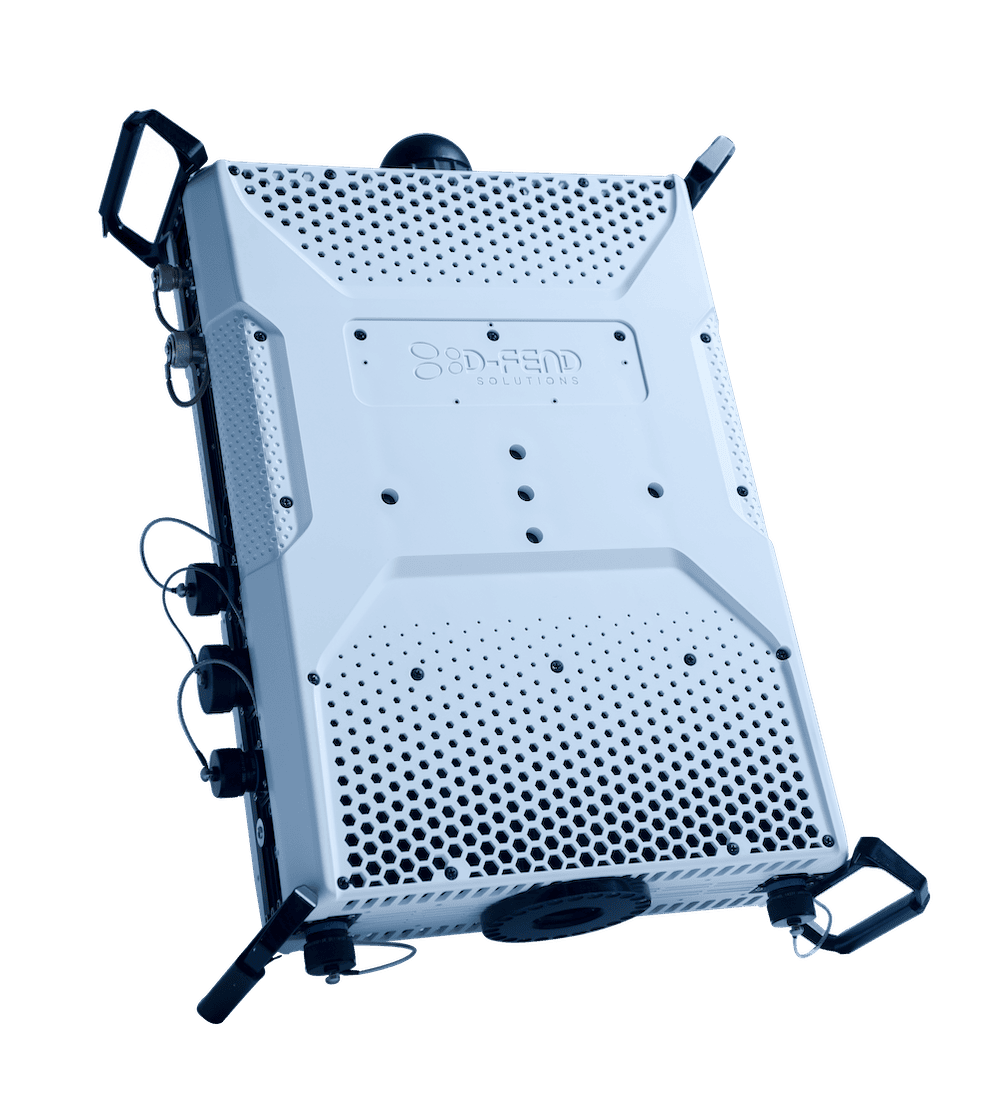
Most drones broadcast via standardized control and telemetry links. RF detection systems, such as the EnforceAir system by D-Fend, vigilantly monitor these frequencies to identify drone signatures and pinpoint the pilot’s control station. Advanced systems perform spectrum analysis and protocol fingerprinting, distinguishing legitimate devices from drone-specific waveforms.
Because RF-based detection doesn’t rely on visual or radar returns, it excels in urban environments. However, purely passive RF systems can be challenged by autonomous drones, which is why multi-sensor fusion is non-negotiable for counter-UAS solutions.
EO and IR sensors are vital for visual confirmation and classification. EO cameras track drones using high-resolution imaging, while IR sensors detect heat signatures. These are the core elements of Visual Drone Detection systems. When integrated into a network, EO/IR systems enable operators to visually verify targets before engaging, ensuring proportional response.
Acoustic sensors utilize microphone arrays to detect and classify drones based on their unique acoustic signatures. These systems are low-power and effective where RF or radar coverage is limited. Acoustic detection serves primarily as a local alert mechanism or an input within the multi-sensor network.
Modern Counter-UAS systems have embraced sensor fusion, combining radar, RF, EO/IR, and acoustic data into a single, coherent operational picture. This integration is the key to improving detection reliability and slashing false positives. The resulting unified threat interface allows operators to enact rapid, rules-based engagement.
Electronic countermeasures are among the most widely deployed methods for neutralizing drones once identified. This includes RF Jamming, which disrupts the communication link using specialized Drone Signal Jammers.
Complementary to jamming, GNSS Disruption or GNSS Denial is a core tactic, often achieved using GNSS Jammers. GNSS Spoofing is more complex, actively misdirecting the drone’s onboard positioning system with false signals. These techniques are highly effective but require careful frequency management.
More sophisticated C-UAS systems employ cyber takeover techniques, often termed “Protocol Injection” or “Cyber/RF Effectors,” to allow operators to assume control of the hostile drone entirely. This approach is managed by advanced Drone Cyber Takeover solutions, which preserve forensic evidence and avoid uncontrolled crashes.
Directed energy weapons offer a non-kinetic, line-of-sight defeat option. Directed Energy Weapons deliver focused thermal energy (Lasers) or electromagnetic pulses (HPM) to overload the drone’s circuits. Both technologies offer rapid engagement but demand precise tracking and substantial power.
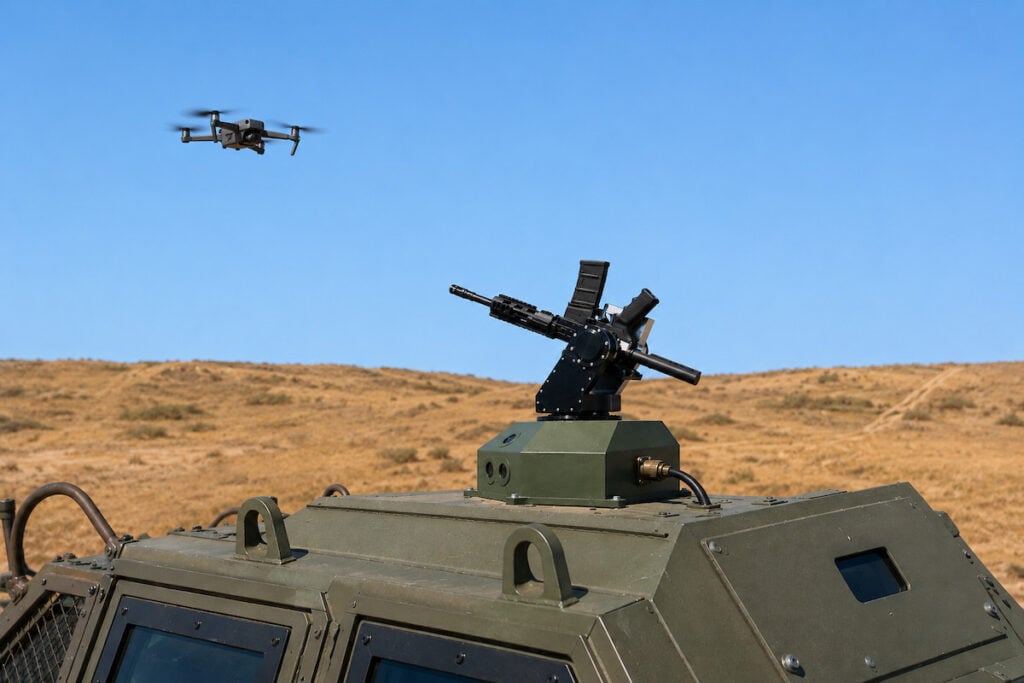
In scenarios where electronic or directed-energy effects are unsuitable, kinetic interception remains a viable option. Approaches include net-based systems such as the DefendAir Net Gun by ParaZero Technologies, or projectile-based interceptors. A popular alternative for close-range soft defeat involves Anti-Drone Guns which typically utilize targeted RF disruption to safely neutralize the threat. Hybrid platforms that combine both kinetic and non-kinetic effectors are becoming standard.

DefendAir Net Gun by ParaZero Technologies
No single drone mitigation method is universally effective. Modern C-UAS deployments adopt a layered defense model. This approach provides redundancy and aligns perfectly with established air defense principles. The most effective counter-UAS solutions are integrated into modular, networked ecosystems that can evolve with the threat.
The Counter-UAS market has seen explosive growth, transforming into a multi-sector industry spanning defense, homeland security, and critical infrastructure. The market splits into defense-grade integrated systems and commercial/civil-use systems.
The industry combines global defense primes and systems integrators with specialized technology firms who offer wide-ranging technologies specifically developed for CUAS applications, such as modular detection, RF takeover, and layered mitigation systems.


 Searching Companies & Products